

Startups often need strong tech leadership but can’t afford a full-time CTO. A fractional CTO solves that problem. They assist on a part-time or project basis, offering expert advice without the cost of hiring a full-time employee. They help you make decisions focused on technology and guide your team by keeping your product on track. In this guide, you’ll learn what a fractional CTO does and when it makes sense to hire one. We’ll also cover how they can help your company grow.
Why is tech leadership important but costly for startups?
Startups need a tech expert who helps lead the team and make smart tech decisions. Without a CTO, a company could spend time building the wrong technology, and important decisions could get missed, impeding progress. But hiring a full-time CTO can be prohibitively expensive for an early-stage company. Often, founders try to manage tech themselves or rely on junior developers, which might work temporarily, but can lead to delays and confusion. A fractional CTO for startups can mitigate that risk. They step in when needed to give clear direction and help move things forward without the cost of a full-time hire.
The Rise of Fractional and Interim CTO Roles
More startups are choosing fractional CTO services and interim CTOs to stay lean and move faster. Here are some reasons why this shift is happening:
- It often costs 40–60% less than hiring a full-time CTO
- Products get built and launched faster
- Remote work makes it easier to find skilled people
- CTO-as-a-Service platforms make hiring simpler
SaaS, fintech, and healthcare companies are leading the way. They’re using fractional CTOs to scale quickly and adjust to changing tech needs without the overhead.
Here is a cost comparison between a fractional and full-time CTO:
| Category | Full-Time CTO | Fractional CTO |
| Annual Salary | $200K-400K | $60K-$180K (part-time/project-based) |
| Equity Compensation | Often 1–3% or more | Rare or minimal |
| Benefits | Health, retirement, bonuses, etc. | Not typically included |
| Hiring Time | 2–6 months | 1–4 weeks |
| Commitment | Full-time, long-term | Flexible—part-time or short-term |
| Cost Flexibility | Fixed salary + overhead | Pay-as-you-go or retainer-based |
| Ideal For | Mature companies with stable funding | Startups and growing teams with lean budgets |
What Is a Fractional CTO?
A fractional CTO is a part-time tech leader. They help startups and small teams make smart decisions about technology without the cost of hiring full-time. They guide product strategy and manage developers. They also help solve technical problems as they come up. They are brought in when expert help is needed, but there are budget constraints or not enough work for a full-time CTO.
It’s a flexible way to get senior leadership without long-term commitment. And for early-stage companies, that can make all the difference.
Scope of the role includes:
- Defining and executing tech strategy
- Leading product architecture and roadmap planning
- Managing development teams or vendors
- Advice on scaling systems and keeping them secure. They also help plan the right infrastructure as a company grows.
- Helping with fundraising by explaining the tech side to investors.
Fractional CTOs usually work remotely and adjust to the team’s schedule and budget.
Fractional CTO vs Interim CTO
Another option is to hire an Interim CTO. While both are external tech leaders, their roles differ in purpose and structure: A fractional CTO is like a long-term advisor. An interim CTO is a short-term fix during a leadership gap.
| Aspect | Fractional CTO | Interim CTO |
| Commitment | Part-time and ongoing support when needed. Or project-based help for specific goals. | Works full-time for a short period, usually 3 to 12 months. |
| Purpose | Help the team make choices about technology. Help with scaling and advisory when needed. | Stepping in when a company needs a tech leader or is going through changes. |
| Engagement Style | Usually remote and easy to work with. | Immersive and hands-on with the team. Often works on-site during key phases. |
| Ideal For | Startups, lean teams, early-stage growth | Companies in crisis, leadership change, or M&A |
Fractional CTO vs Full-Time CTO
Core Responsibilities
- Plans where the tech and product should go.
- Builds the team and helps them improve.
- Chooses the tools and partners that fit best.
- Makes sure systems are safe and rules are followed.
Full-time and fractional CTOs’ responsibilities include:
| Responsibility | Full-Time CTO | Fractional CTO |
| Tech Strategy & Roadmap | Leads long-term planning and product direction | Guides strategy for key phases or projects |
| Team Mentoring & Hiring | Builds and manages the full engineering team | Advises on hiring and supports team growth |
| Vendor & Tool Selection | Oversees all tool and partner decisions | Recommends tools and vendors as needed |
| Security & Compliance | Owns security protocols and legal compliance | Reviews systems and advises on best practices |
| Daily Involvement | Fully embedded in day-to-day operations | Joins selectively – based on scope and schedule |
Why Startups Hire Fractional CTOs
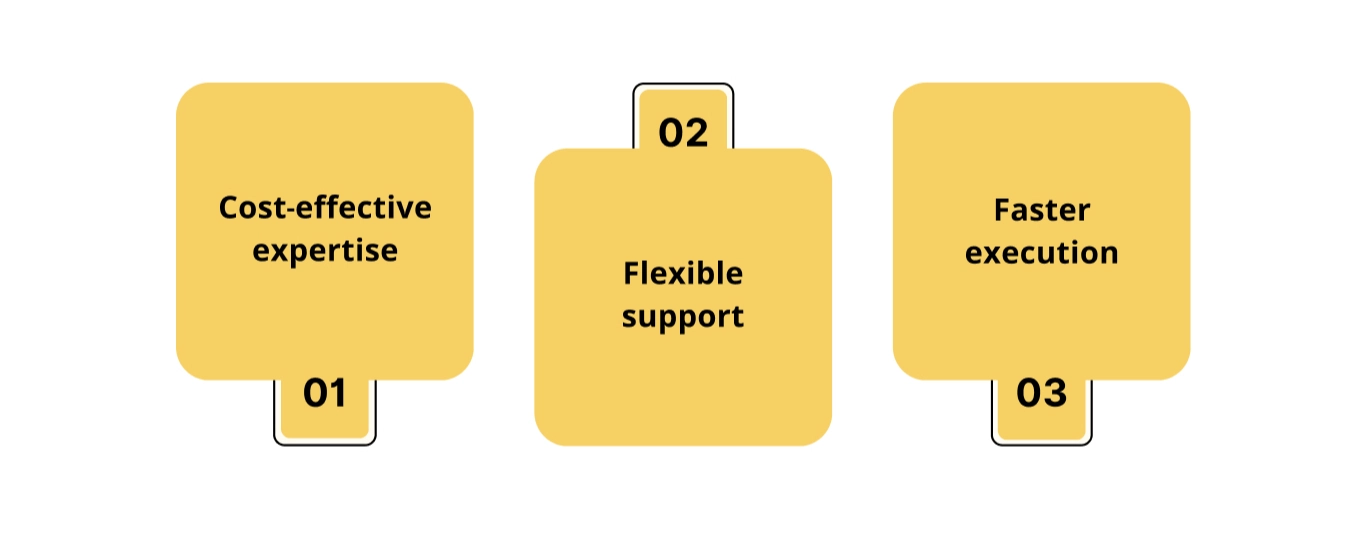
Startups need tech leadership, but hiring a full-time CTO isn’t always possible, especially in the beginning. A fractional CTO for startups provides:
- Cost-effective expertise: You get someone who’s led teams and built products. They’ve made important decisions that moved things forward. You don’t need to hire them full-time.
- Flexible support: A startup fractional CTO can help during important stages. That includes launching new products and scaling systems. It also covers hiring your first engineers. They show up when needed and step back when they’re not.
- Faster execution: No long onboarding. They help you choose the right tools and avoid mistakes. This helps you move faster and stay on track.
This setup helps startups stay lean and try out ideas fast. It helps them build smartly without wasting resources.
Common Use Cases
Startups hire fractional CTOs for moments that matter most:
- Building and launching MVPs: Get help turning early ideas into working products.
- Scaling infrastructure: Set up systems that grow with your business.
- Fundraising and tech due diligence: Prepare for investor questions and explain your tech clearly.
- Pivoting product strategy: Rethink what you’re building and how to build it better.
How to Hire a Fractional CTO
Where to find trusted experts
- Trusted platforms offering fractional CTO services
- Founder and investor networks
- Suggestions from other advisors or founders
What to look for
- Proven experience leading tech teams
- Familiarity with your industry or product type
- Clear, direct communication style
- Ability to work part-time without losing momentum
What to Ask
- How have they helped other startups grow?
- Can they guide MVPs, scaling, or fundraising?
- Do they adapt to fast-paced, lean environments?
Before You Decide
- Align on your goals and how much support you need. Set a clear budget and time commitment upfront.
- Agree on when they’ll be available and what decisions they’ll handle.
- Start with a short-term project or advisory scope
If you’re ready to hire a Fractional CTO, contact The Field Group to discuss your needs and to learn about our experience and expertise.
Engagement Models
Time-Based Options
- Hourly: Pay only when you need quick help
- Part-time: Steady support without hiring full-time
- Retainer-based: Set monthly hours for steady support
Scope of Work
- Project-specific: Help with MVPs, launches, or pivots
- Ongoing advisory: Strategic guidance across phases
Formal Agreements
- Clear contracts that specify the parameters, deadlines, and deliverables
- NDAs to protect IP and sensitive startup discussions
Real-World Impact and Case Studies
- A health startup launched its MVP in under three months with part-time tech support. They saved money and moved quickly. They expanded their tech team and made the necessary hires with the CTO’s help.
- A SaaS company brought in a part-time CTO to connect tech with business needs. Agile planning helped speed up development. They avoided full-time overhead and built a remote-first team that could grow across locations.
- A fintech startup brought in a CTO to shape product strategy. They launched a beta in eight weeks, cut leadership costs, and hired developers with expert support during onboarding.
Why These Metrics Matter
- Time-to-market illustrates how rapidly concepts become finished goods.
- Cost savings reflect lean, focused execution
- Team growth signals smart hiring and scalable leadership
CTOs advise and help startups move faster, spend less, and build stronger teams.
Here’s a clear, side-by-side table showing startup performance before and after engaging a fractional CTO:
| Metric | Before CTO Engagement | After CTO Engagement |
| Time-to-Market | Delayed launches, unclear timelines | MVP or beta released in 2–3 months |
| Tech Strategy | Reactive decisions, no clear roadmap | Aligned with business goals and milestones |
| Cost Efficiency | High overhead from full-time leadership | 40–60% savings with part-time CTO support |
| Team Growth | Slow hiring, unclear roles | Guided hiring and structured team expansion |
| Product Quality | Frequent rework, missed features | Stable releases with fewer revisions |
| Decision Speed | Bottlenecks due to a lack of senior input | Faster decisions with expert oversight |

Is a Fractional CTO Right for You?
A fractional CTO is the best choice if your startup requires leadership in the technical aspect but not a full-time hire.
Ask yourself:
- Do we have a plan, but no one to lead the technical side?
- Are we building or scaling a tech team without senior oversight?
- Is our time-to-market slower than expected?
- Are we preparing for fundraising and need technical credibility?
- Do we need help picking tools, partners, or tech setup?
If your answer is “yes” to two or more, it might be time to hire a fractional CTO.
When to Consider vs When to Wait
| Consider Hiring | Wait If |
| You’re building an MVP or scaling fast | You’re still validating your idea |
| You need tech leadership, but not full-time | You have no budget for senior roles |
| You’re preparing for investor conversations | You’re not ready to build or launch yet |
| You want to avoid costly tech mistakes | You’re still exploring your product-market fit |
Alternatives to Consider
Not sure if a fractional CTO is the right fit? Here are three other options with their own pros and trade-offs.
Full-Time CTO
A full-time CTO is a permanent tech leader. They handle strategy and hiring. They also participate in daily decisions and execution.
- Pros: Fully committed with steady leadership. Helps build and support the team.
- Cons: The hiring procedure is slow, and the salary is high. It is difficult to replace them if they do not fit well.
- Best for: Teams with long-term plans and reliable financial backing.
Technical Co-founder
A technical co-founder contributes to the product's development and holds stock in the business. They usually work for equity and join early.
- Pros: Strong commitment and shared goals. Costs less than hiring full-time.
- Cons: Tough to find the right match and may lose equity. Later issues may arise if objectives are not in line.
- Best for: New businesses where founders work well together and funds are limited.
CTO-as-a-Service Platforms
These platforms offer temporary or part-time support from certified CTOs. Expert assistance is provided without requiring a long-term commitment.
- Pros: Timing and cost are customized to each project. Easy to access when you need expert help.
- Cons: Limited participation in team culture, less continuity.
- Best for: Startups in need of short-term leadership, audits, or quick tech guidance.
Final Takeaway
Startups move fast. They need solid tech leadership, but hiring a full-time CTO isn’t always realistic, especially early on. A fractional CTO gives you access to senior expertise without the long-term cost. They help you make better decisions and build smarter systems. In this manner, future costly errors are avoided.
This kind of support helps when you’re testing ideas or building your first version. It’s also useful when you’re hiring your first engineers. You get flexible help when you need it and none when you don’t.
About The Field Group
The Field Group offers fractional CTO services and small business consulting. Since 2016, we’ve worked closely with founders to shape tech strategy and guide operations. Without hiring someone full-time, we assist in team leadership. We help with sustainable growth, whether you are scaling independently or as a member of an incubator. Learn more at https://fieldgroupny.com/
FAQs:
What does a Fractional CTO do?
Fractional CTO provides part-time or contract-based technology leadership for startups and growing businesses. They help define tech strategy, oversee development, manage teams, and align technology with business goals—without the cost of a full-time executive.
When should a startup hire a Fractional CTO?
You should consider hiring a Fractional CTO when your company needs technical direction, product scaling, or team management but can’t yet justify a full-time CTO. Common triggers include preparing for fundraising, rapid growth, or building your first product.
How is a Fractional CTO different from a full-time CTO?
A full-time CTO is a permanent executive leading all technical operations, while a Fractional CTO works part-time or on a project basis. The latter offers flexibility, lower cost, and immediate access to senior expertise—ideal for startups in early or growth stages.
What are the main benefits of hiring a Fractional CTO?
Key benefits include strategic tech leadership, improved product development, better vendor and team management, faster decision-making, and cost efficiency. It allows founders to focus on business growth while ensuring the tech side is in expert hands.
Can a Fractional CTO help build an in-house tech team?
Yes. A Fractional CTO can recruit, train, and structure your internal development team, ensuring you have the right skills and processes in place for future growth.